
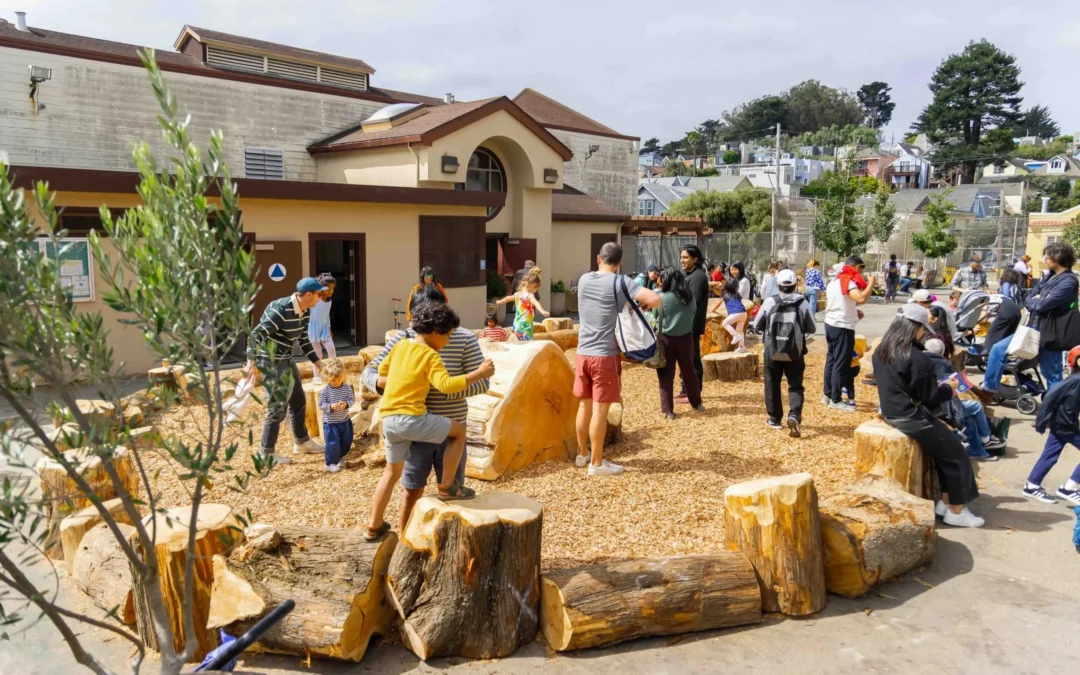
Think Globally, Act in Bernal Heights: Reimagining Urban Sustainability
The phrase “Think globally, act locally”, coined in 1915 by Scottish conservationist Patrick Geddes, has long been the baseline for environmentalism. The core philosophy remains vital: care for the planet by taking direct action in your immediate community. However, after more than a century of environmental degradation, working one isolated city at a time is no longer fast enough. Global challenges require ambitious, systemic change, but our greatest point of leverage as citizens is to drive hyper-local models of sustainability right where we live.
In San Francisco, we are fortunate to have progressive municipal policies. Yet, true ecological momentum begins at the neighborhood level. By building resilient, low-impact habits in Bernal Heights, we can create a scalable blueprint for urban climate action.
The Power of the 15-Minute Neighborhood
To reduce our ecological footprint, we must alter how we move, consume, and interact with our immediate environment. San Francisco’s population and job market have expanded significantly over the past decade, bringing increased vehicular traffic and ride-sharing emissions. We can counter this trend by leaning heavily into a hyper-local lifestyle.
- Prioritize Foot Travel and Cycling: Embracing a 15-minute neighborhood model, where daily essentials are met within a short walk, drastically reduces emissions. Walking up Cortland Avenue or biking through the neighborhood keeps cars off the road.
- Support Local, Low-Waste Commerce: Choosing neighborhood businesses reduces the carbon cost of shipping and heavy packaging. Bringing your own reusable containers and produce bags to local markets minimizes single-use plastics.
- Sustain a Circular Economy: Reduce total consumption by prioritizing repaired or refurbished electronics. Before throwing items away, find secondary uses, such as turning plastic containers into backyard planters or using them as supplies for children’s art projects.
Global Lessons Applied to San Francisco Housing
Living within our ecological means requires a look at how we manage resources at home. Richer nations consume a disproportionate share of global energy; a study by the University of Michigan Center for Sustainable Systems highlights that the U.S. accounts for 15% of global energy consumption despite having only 5% of the world’s population.
We can adopt international efficiency standards within our own households:
- Smart Automation: Drawing inspiration from European infrastructure, such as the motion-detector lighting common in Berlin apartment buildings, homeowners can install timers and motion sensors to curb household electricity waste.
- Water Conservation and Infrastructure: Traditional toilet paper manufacturing is resource-intensive and relies on chemical bleaching, which impacts water systems. Transitioning to a bidet seat attachment is a highly efficient way to reduce paper waste. For long-term impact, local properties can integrate rainwater harvesting systems for garden irrigation, build green roofs, or install solar panels.
Community Advocacy and Climate Equity
Socio-political stability, economic equity, and environmental health are deeply intertwined. International conflicts and domestic systemic inequities create ripple effects that impact global economies, food security, and resource distribution.
True sustainability requires active civic participation to ensure regulations remain strict and effective before they are diluted by commercial interests. We can drive this forward by:
- Voting with a focus on aggressive climate policies.
- Organizing transparent, community-led environmental initiatives.
- Being highly conscious of where we invest our capital and buy our daily goods.
By demanding high environmental standards from our local vendors and lawmakers, we build the consumer momentum necessary to push corporations toward genuine ecological accountability. We can no longer afford the bare minimum. Challenging ourselves to implement these changes ensures we leave a functional, resilient environment for the next generation.
Follow us on Instagram – Bernal Connect.

Author: Mike Doherty: Bernal Connect
Mike Doherty serves as Chief Experience Officer at Greening Projects, a nonprofit organization dedicated to transforming underutilized urban spaces into vibrant green areas that benefit communities and the environment.
